
My latest article for Data Center Knowledge
Operators use biomimicry, community co-design, and brownfield redevelopment to reduce the visual impact of data centers and improve local acceptance.
Beauty may be in the eye of the beholder, but it’s unlikely that the recent rash of data centers popping up across the US and globally is winning many people over on looks alone. To ease community concerns about noise, energy, and water use – and especially their visual impact – some operators are rethinking how facilities look, how they sit within landscapes, and even where they’re built.
Anti-data center sentiment often goes beyond complaints about water, energy, and noise pollution to include criticism of a facility’s appearance and its aesthetic impact on nearby neighborhoods. A description from the Virginia-based Piedmont Environmental Council captures a common view: “The data center developments proposed in the County are hyperscale facilities, which are massive, windowless concrete buildings that can bring potential noise and electrical infrastructure such as substations and transmission lines. They are also often out of scale with existing communities and fenced with cameras, security guards, and guard gates.”
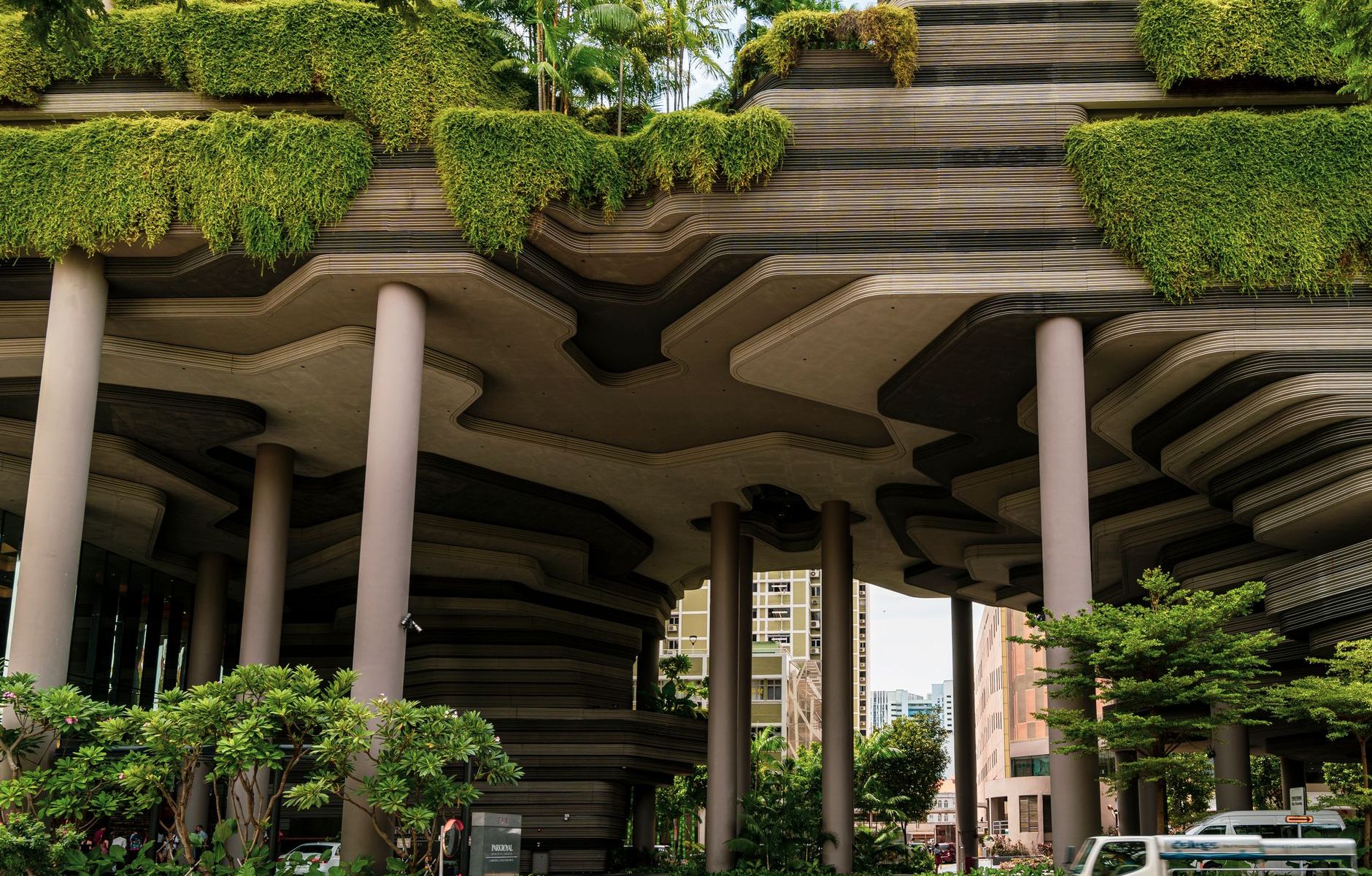
Some operators are taking steps to make facilities a bit easier on the eyes. One approach is to use landscaping to soften profiles and blend sites into their surroundings. Microsoft, for example, has begun applying “biomimicry” – borrowing strategies from local ecosystems to guide land, water, and restoration plans – to improve how some of its newest data centers look and function.
For more, head to Data Center Knowledge.

